
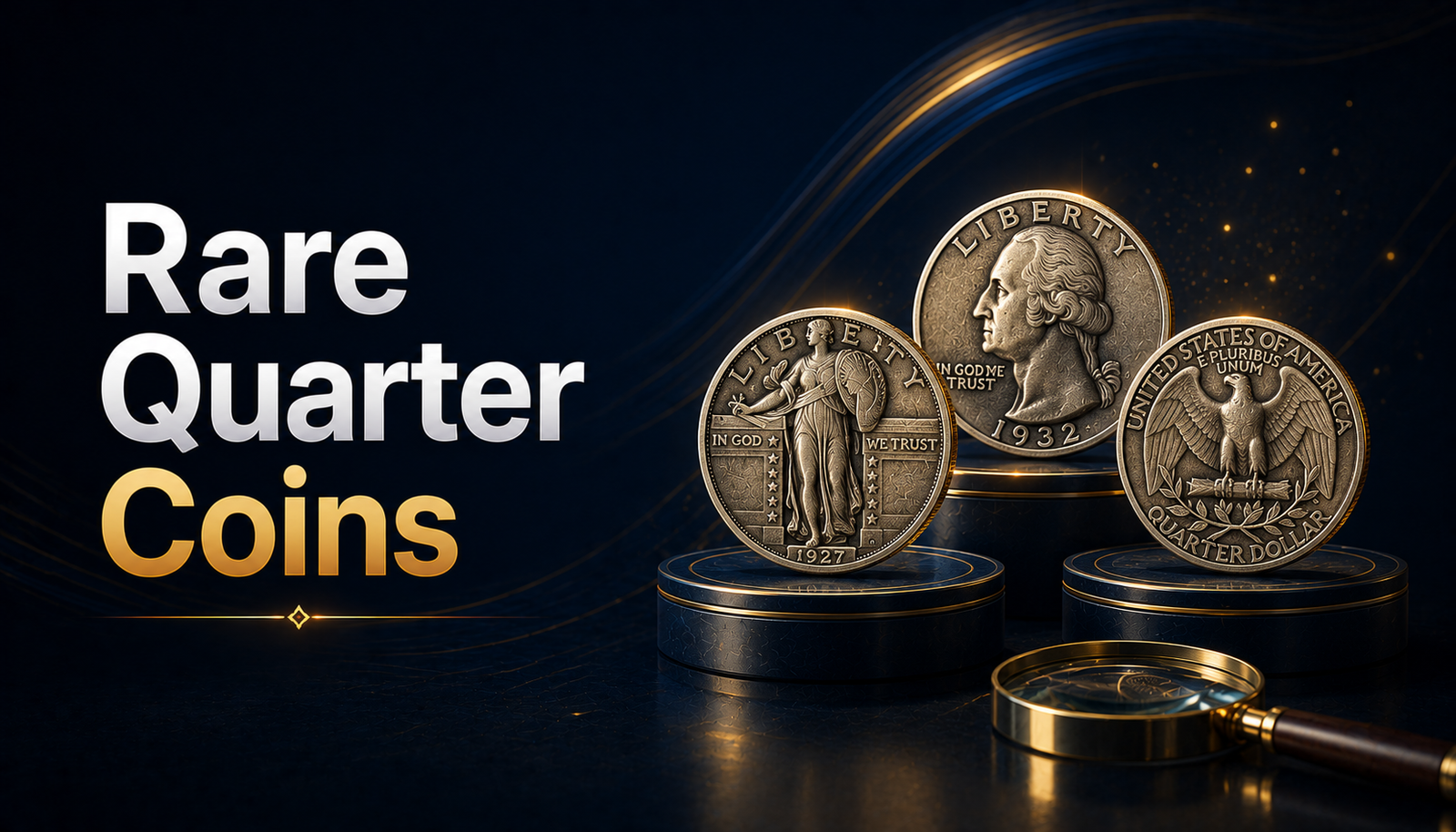
A lot of people spend time in old quarters without checking them first. Some of these coins are worth way more than 25 cents, and most folks have no idea what they are giving away every time they hand over change at a store. A quarter that looks completely normal at first glance could be a rare find sitting in someone’s wallet, car console, or piggy bank right now.
Turning your spare change into a hobby is a simple way to keep track of small physical assets over time. Spotting genuine rare quarter coins takes just a bit of practice. Reading the small production details on each piece makes sorting your change much easier.
An online coin tracking app can check local coin shop prices in seconds. Skip the guesswork entirely. Each coin carries tiny stamped letters showing exactly which mint made it. Here’s how to spot a valuable quarter with a rare design, so you know what to look for next time you go through your change.
What Makes Rare Quarter Coins Valuable
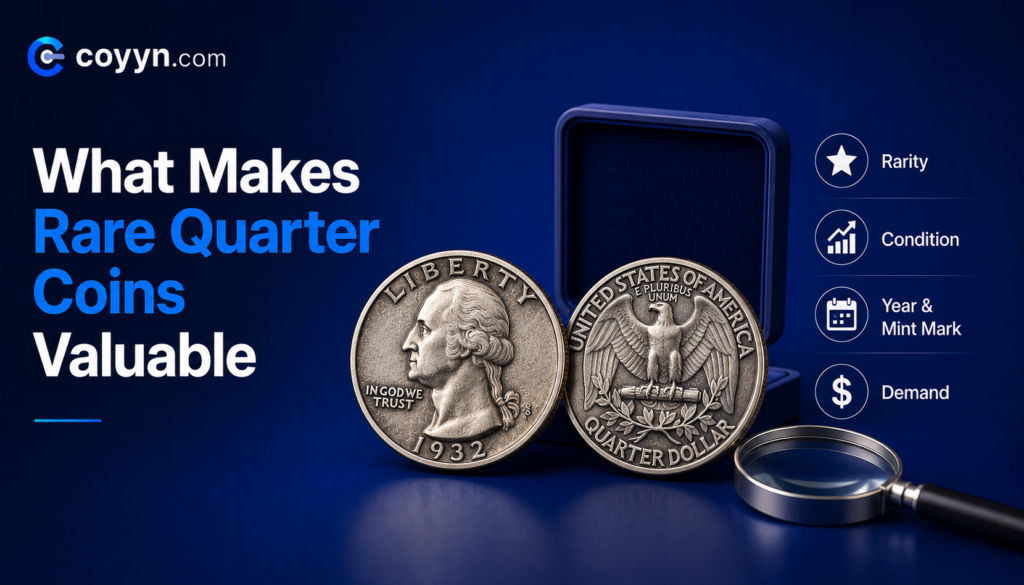
A regular quarter is only worth 25 cents, but rare quarter coins sell for much more because so few of them exist. A coin becomes sought after when the mint only produces a small batch of that design in a given year. When supply on the open coin market stays low, collector demand pushes the price up at public auctions.
History plays a role too. An old Washington Quarter tends to be worth more if it was struck during a major historical moment or at a specific mint location, since that background story pulls in buyers. And condition matters just as much. A clean, uncirculated coin will always beat a scratched one, no matter how rare the design is.
How to Identify Rare Quarter Coins Like a Collector
Before selling or spending any old quarters, it helps to give them a proper visual check first. Learning the basics of coin inspection means you can spot the small details that matter, using nothing more than a magnifying glass at your kitchen table.
- Look for the mint mark near the bottom rim to see which city factory produced the coin
- Check the minting year stamped on the front to separate common modern coins from older silver ones
- Watch for mint errors like double struck lettering or off center borders, both caused by old factory mistakes
- Study the strike quality on the portrait, since sharper hair and facial details usually mean a better grade
- Check the front and back rims for deep scratches or signs of surface wear
Looking closely at these details tells you whether an old quarter dollar is just pocket change or something worth holding onto. It also helps you spot die varieties and key date scarcity, two things serious collectors pay close attention to.
Rare Quarter Coin Value: What Determines the Price
Figuring out what a coin is really worth means understanding how professional coin appraisal actually works. The final rare quarter coin value comes from combining historical rarity with recent auction records, not guesswork.
Professional grading services like PCGS or NGC examine coins under a microscope and assign an official grade. They check the original shine and confirm the coin has not been altered or cleaned by an untrained hand. Knowing the real market price helps you make smarter buying and selling decisions instead of trusting random claims from internet forums.
Rare US Quarter Coins Every Collector Should Know
Getting into coin collecting does not mean you need to read through stacks of history books first. A basic list of rare US quarter coins is a good starting point, connecting your hobby to pieces that collectors already track closely:
- The 1932-D Washington Quarter, a key date struck in very low numbers
- The 1893-S Barber quarter, tied to the industrial railroad expansion era of the old west
- The 1932-S Washington Quarter, another low mintage piece that commands strong prices in top condition
- Bicentennial Quarters carrying the dual 1776-1976 date, minted to mark the nation’s 200th anniversary
- State Quarters and America the Beautiful Quarters, which feature local landmarks and geography from across the country
This list is a solid starting point for building some basic knowledge in the coin collecting world. Each of these pieces helps you understand the silver quarter market before digging into deeper historical research.
Quarter Dollar Rare Coins With the Highest Collector Demand
Finding quarter dollar rare coins that sell for high prices at auction means understanding how scarcity actually works. A coin is not valuable just because it is old. Its price comes down to collector demand and how few of that specific coin remain in circulation.
If a mint melted down a batch of silver quarters years ago due to a change in law, the surviving coins become even harder to find. Value tends to climb further when a coin has kept its original condition after decades in storage. Auction records show that collectors often pay a premium for coins with a strong backstory or a rare defect. Watching these scarcity patterns helps you choose pieces that hold their value even as markets shift.
Mint Errors That Can Increase a Quarter’s Value
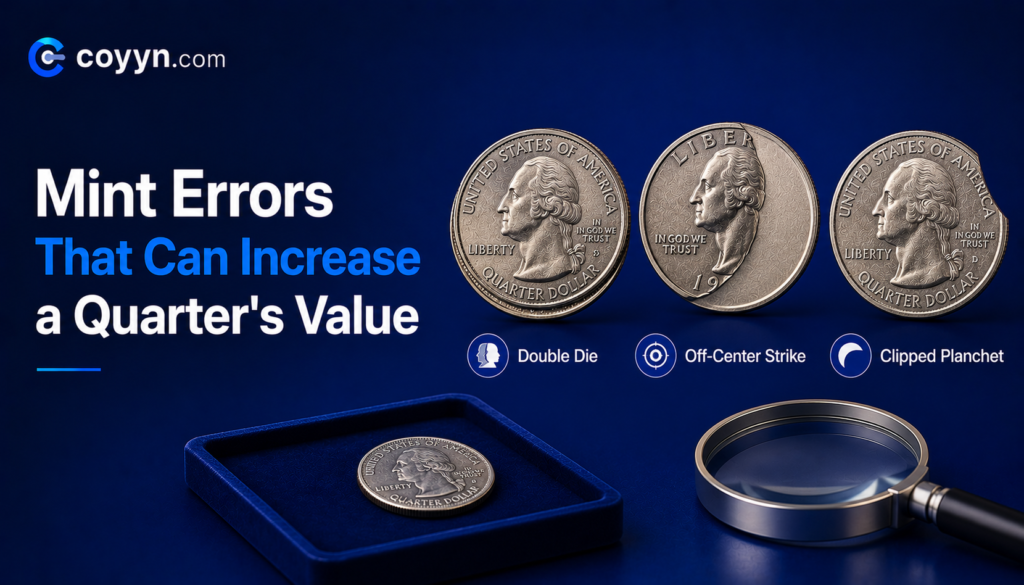
A lot of people sort through their change without ever noticing the small factory mistakes that make certain coins valuable. The most well known mint error is a double die strike, where the machine accidentally stamps the lettering twice onto the coin. This creates a visible shadow effect around the date, one that shows up clearly even with a smartphone camera zoom.
Other errors worth watching for include off center strikes, where the design gets punched out of alignment and leaves a blank crescent shape along the rim. There is also the clipped planchet error, which happens when the machine that cuts coin blanks accidentally bites off a chunk of metal before striking. Spotting any of these mistakes can turn an ordinary quarter into something collectors actively want to buy.
Tips for Collecting and Protecting Valuable Quarters
Keeping a coin collection in good shape comes down to a few simple habits. Most experienced collectors recommend picking up paper coin albums and coin capsules as soon as you find your first rare quarter. Storing coins in proper coin holders or a secure storage box keeps the metal safe from air exposure and oils from your skin.
It also helps to keep clean records and digital notes for every coin you buy, so you always know what you have and what you paid for it. Joining an online collector community is a good way to trade tips, compare notes, and build your knowledge over time. Staying consistent with storage and recordkeeping keeps your collection in good shape for years to come.
Common Mistakes to Avoid When Collecting Quarter Coins
Plenty of new collectors make the same rookie mistakes when they start out. The biggest one is trying to clean a coin at home using soap, vinegar, or a rough cloth. Doing this strips away the coin’s natural aged patina and can seriously hurt its value, sometimes permanently.
Another common mistake is buying quarters from random online sellers without checking them first. Skipping a proper PCGS or NGC grading check leaves you open to buying a counterfeit without even knowing it. It is also worth avoiding cheap plastic folders that contain chemicals known to cause discoloration over time.
Avoiding these traps protects your money and makes sure your collection actually holds its value at auction or resale down the line.
Final Thoughts
Getting into the coin collecting world by sorting through old change is a simple way to connect with history while building something with real, lasting value. Staying consistent with grading knowledge and learning to spot counterfeits early helps protect your collection as it grows.
Keeping your coins organized turns a casual hobby into something that holds up well over time, even as markets shift. Have you ever thought about using an app to track the mint marks and history behind your own coin collection?
FAQs
What is the rarest quarter coin?
The rarest circulating Washington quarters are the 1932-D and 1932-S, both struck in very small numbers. These key dates sell for a premium at auction even in heavily worn condition.
How can I identify a valuable quarter?
Check the date first. Anything before 1965 likely contains 90% silver. Look for a small mint mark letter, and check closely for any double struck errors in the lettering or design.
Which mint marks make quarters more valuable?
Quarters marked with a “D” for Denver or an “S” for San Francisco from early years are often worth more. Modern quarters with a “W” mint mark from West Point can also carry a premium.
Are Bicentennial quarters valuable?
Most standard 1776-1976 Bicentennial quarters are common, since the mint produced billions of them, and are only worth face value. That said, special 40% silver uncirculated versions or double die errors can be worth real money.
Should I get my quarter professionally graded?
Yes, especially if early research suggests it might be a key date or an error coin. A grade from PCGS or NGC protects you from fraud and locks in the coin’s official value.