
Freelancing and remote work have changed how millions of people earn a living. One job, one paycheck used to be the norm. Now workers piece together income from three or four places at once, and payment tools have had to catch up fast.
Coyyn.com gig economy resources sit right in the middle of this shift. The focus stays on how freelancers actually get paid, what perks come with this kind of work, and a few angles most sites skip entirely, like insurance and white collar freelancing. This guide walks through it all in plain language, whether you just started freelancing last month or have been at it for years.
What is Coyyn.com Gig Economy?
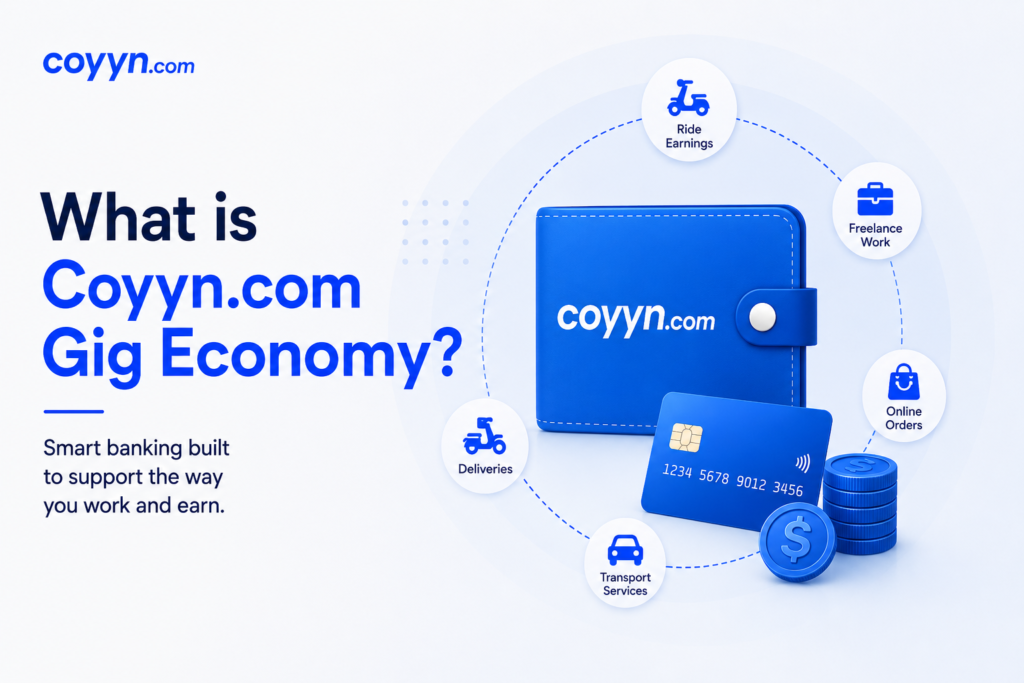
Coyyn.com gig economy content covers the tools that help freelancers manage money without losing their minds over it. Gig workers juggle multiple clients, get paid on wildly different schedules, and often work from wherever, a home office one day, a coffee shop in another city the next.
This looks nothing like a regular nine to five setup. Digital nomads and remote freelancers depend on flexible payment systems since a normal biweekly paycheck just does not apply to them. Coyyn.com tries to untangle these moving pieces so freelancers spend less time stressing about money and more time doing work they actually care about.
How Gig Economy Payments Actually Work
Getting paid on time is the single biggest headache for most freelancers. Gig economy payment solutions try to fix this by speeding up how money moves from client to freelancer, skipping the usual delays that come with bank transfers or mailed checks.
Gig economy payments also need to handle different currencies well, since plenty of freelance clients live overseas. Take a graphic designer in Karachi getting paid by a client in Germany, that transfer should not eat a week or chew up half the payment in fees. Freelance income already arrives in unpredictable chunks, so waiting around on top of that just adds stress when rent is due regardless of a client’s payment schedule.
Benefits and Advantages of the Gig Economy
Gig economy benefits go well beyond working from home in pajamas, though that part is nice too. Flexible schedules let people build work around family time, travel plans, or even a second job on the side. Some freelancers grind through early mornings, others work best at midnight, and gig work fits both without complaint.
Advantages of gig economy work show up in smaller ways as well. Multiple income streams mean losing one client barely dents things, the income shrinks a bit until a replacement shows up, it does not vanish overnight.
Self employment also hands people control over which skills they sharpen. A writer covering tech topics this year might pivot to health content next year, purely because it pays better or just feels more interesting.
Pros and Cons of the Gig Economy
Every kind of work carries tradeoffs, and gig work has plenty. Freedom tops most lists here, nobody asks permission for a day off, and location rarely matters for freelance jobs anyway.
Pros and cons of gig economy work also include real downsides worth mentioning. Health insurance, retirement savings, paid leave, all of that falls squarely on the freelancer to sort out alone. Income swings hard month to month too, which makes budgeting a lot trickier compared to a fixed salary landing in the bank every two weeks like clockwork.
Top Gig Economy Companies Worth Knowing
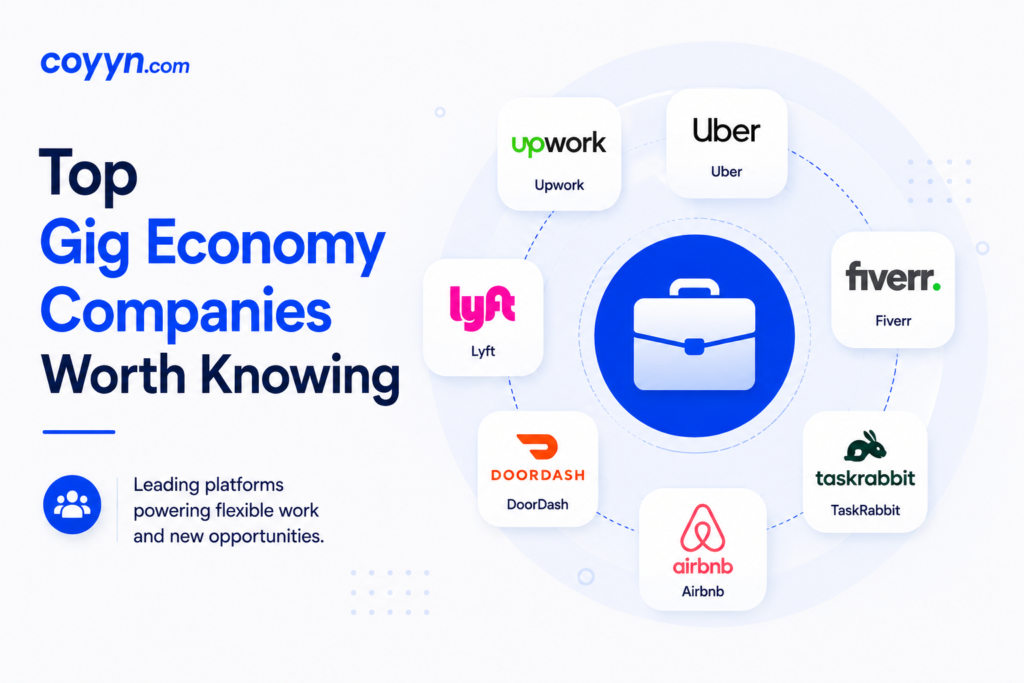
Gig economy companies span a wide range of work types. Uber and DoorDash dominate the rides and delivery space, while Upwork and Fiverr connect freelancers with creative or technical projects. TaskRabbit fills a different niche entirely, handling local task based gigs like furniture assembly or small home repairs.
Freelance platforms differ a lot in what they take as a cut and how fast they actually release payments. Some hold funds a full week after a project wraps up, others release money within a day or two. Knowing this ahead of time saves freelancers from picking a platform based on reputation alone, only to find out later the payment terms do not fit their needs.
What Happens When You Need Insurance as a Gig Worker
Gig economy insurance barely gets discussed, yet it matters more than most freelancers realize. Since most gig workers count as independent contractors, health coverage, disability protection, and liability insurance do not come automatically through any employer.
Worker classification plays a real role here too, independent contractors get treated very differently under the law compared to full time employees.
A handful of platforms and countries have started rolling out optional insurance add-ons built for gig workers specifically, covering things like on the job accidents or income loss during a slow month. It is not a perfect fix, but it turns a scary gap into something a bit more manageable.
The Rise of White Collar Gig Economy
White collar gig economy work looks almost nothing like delivery driving or rideshare gigs. This corner of freelancing includes consultants, software developers, marketers, and designers, people with specialized skills who chose project based work over sitting in an office nine to five.
Freelance career paths here often pay noticeably more per hour than typical gig work, though landing high paying clients gets competitive fast. Digital freelancing among white collar professionals keeps expanding too, as more companies warm up to hiring skilled contractors for specific projects instead of adding full time headcount they might not need six months from now.
Final Thoughts
Coyyn.com gig economy resources try to make freelance life a little less messy, from getting paid faster to understanding insurance options that actually hold up. Gig work is not slowing down anytime soon, and having the right tools makes a real difference in how smoothly it goes day to day.
Anyone stepping into freelancing, whether driving for a delivery app or consulting for a tech company, benefits from knowing these basics before diving in headfirst.
FAQs
What payment methods work best for gig workers?
Digital wallets and platforms offering fast transfers tend to work best, especially for freelancers dealing with international clients.
Do gig workers need insurance?
Yes. Since most gig workers do not get employer provided benefits, arranging personal health and liability coverage is worth the extra effort.
Is white collar freelancing more stable than typical gig work?
It can be, since these roles often involve longer contracts and higher pay, though client competition remains a real challenge.
What are the biggest downsides of gig work?
Inconsistent income and the lack of built in benefits like insurance or paid leave are usually the biggest struggles freelancers mention.
Are gig economy earnings taxed differently than a regular job?
Not really, gig income still counts as taxable earnings, but freelancers usually handle their own tax payments instead of having an employer deduct it automatically.