
A neighbor of mine drives for Uber every Saturday and Sunday morning. During the week, he spends a few hours designing logos for people he met through Fiverr. Same person, two completely different ways of earning. A regular 9-to-5 job never gave him that kind of freedom, but now he decides when he wants to work and when he wants to take a break. That is one reason why Gig Economy Apps have become so popular in recent years.
Not long ago, finding this kind of work was much harder. People looking for extra income had only a few choices, and freelancers often had to search for clients on their own. Today, things are different.
There are apps for driving, delivering food, freelancing, tutoring, and many other types of work. In this guide, you’ll learn which apps are worth your time, how they compare, and which one is likely to fit your skills without signing up for a bunch of platforms you’ll never use.
What Are Gig Economy Apps?
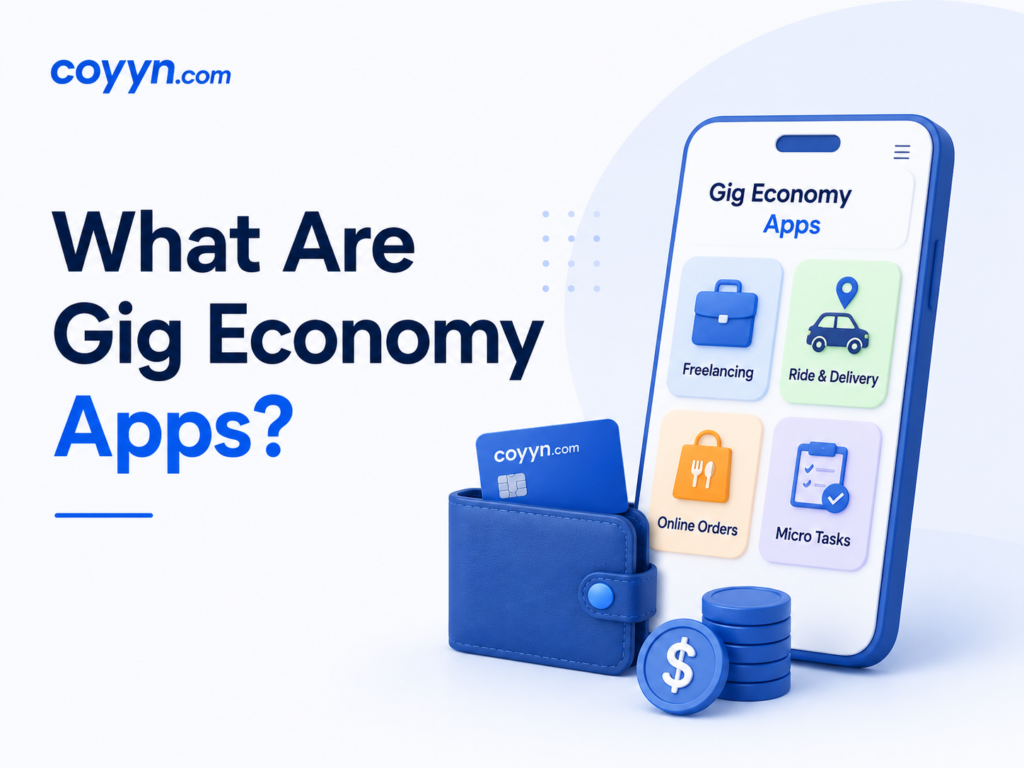
A gig economy app is pretty simple at its core. It’s a phone app that connects someone to a job, a task, or a freelance gig, skipping the whole resume and interview thing entirely. Download it, fill out a profile, and for a lot of these apps, money starts coming in within a day or two.
Some apps run rides and deliveries. Others connect writers, designers, virtual assistants, whoever, with clients who need something done and don’t want to post a job and wait two weeks for applications to trickle in. The one thing all of them share is control over your own hours. Nobody’s clocking in at 9am here, and honestly that’s the whole appeal for most people who try it.
Best Gig Economy Apps Worth Trying
There’s no single “best” gig economy app, not really. It depends way too much on what someone actually wants to do all day. Uber and Lyft still dominate rides. Anyone who’d rather skip sitting next to strangers usually ends up on DoorDash or Instacart instead, driving groceries and food around town.
For freelance type work, Upwork and Fiverr are where most people land, connecting writers, designers, coders, and marketers with clients who need that specific skill. TaskRabbit does its own thing entirely, matching people with local jobs like assembling a bookshelf or hauling junk to a donation center. Fees change from app to app. So does how fast the money actually shows up. Worth checking two or three before sinking hours into building out one full profile.
Top Gig Economy Platforms for Freelancers
Gig economy platforms often go beyond just one job type. Upwork is a good example, it’s basically a full marketplace where freelancers post their skills, build a portfolio, collect reviews over time, and set their own hourly rate instead of taking whatever’s offered.
What makes the best gig economy platforms actually good usually comes down to a few things nobody thinks about until something goes wrong. Fees that don’t eat half the paycheck. Some kind of screening so clients can’t just vanish without paying.
Money held safely until the work’s actually done. Fiverr runs things a bit differently, letting freelancers package a service, they call it a gig, that clients buy outright, more like browsing a shop than pitching some stranger cold over email. Neither way is really better. It comes down to whether someone likes chasing clients down or would rather sit back and let clients find them first.
Gig Economy Apps for Quick Cash
Sometimes it’s not about building a five year freelance career. It’s just needing cash, and needing it soon. A handful of gig economy apps exist basically for this exact situation, some get people earning within hours of getting approved.
Rideshare and delivery apps usually win this race since approval tends to move fast, and same day cashout gets money into a bank account before the day’s even over. TaskRabbit fits here too, especially for anyone with a truck, some tools, or just a strong back willing to move furniture on short notice for cash.
A lot of people stack two or three of these apps at once, checking which one’s got more work available that afternoon before deciding where to actually log in first.
How Payments Work Across These Apps
Direct deposit covers most of these, though timing really depends on the app. Some pay weekly on a set day, no exceptions. Others let workers cash out instantly for a small fee, so money lands the same day a shift wraps up instead of waiting around.
A payment app built specifically for freelancers usually works differently than something made for rideshare drivers. It often handles a few different currencies too, since a lot of freelance clients live overseas. Freelance income rarely follows a neat schedule either way, so knowing how and when each platform actually pays helps a ton when rent’s due and a client still hasn’t sent that invoice payment yet.
Choosing the Right App for Your Work Style
Not every app works for every person, and honestly that’s fine. Someone who likes driving around and chatting with strangers all day might genuinely enjoy rideshare work. Someone who’d rather sit alone at a kitchen table typing for eight hours straight is probably better off on a freelance platform instead.
What flexibility means changes depending on who’s asking too. A parent grabbing delivery shifts between school pickups mostly just needs instant availability, that’s basically the whole priority.
A consultant working through a three month project cares a lot more about the client sticking around than constant gig turnover. Trying two or three apps before settling on one tends to make it pretty obvious, usually within a week or two, which setup actually fits someone’s day.
Final Thoughts
Gig economy apps opened up a way to earn money on flexible terms, whether that means replacing a full time job entirely or just picking up some extra cash without much commitment. Trying a couple of platforms before settling on one usually makes it pretty clear, faster than expected honestly, what actually works.
Anyone thinking about jumping in should weigh their own schedule, their actual skills, and how badly cash is needed right now before picking an app. The right choice comes down to personal fit way more than whatever platform’s trending this month.
FAQs
Which gig economy app pays the most?
It really depends on your location, hours, and demand. Many of the best gig economy apps 2026 offer higher earning potential during weekends and busy seasons.
Can I use multiple gig economy apps at once?
Yes. Plenty of people use two or three gig economy apps 2026 and switch between them based on which one has the most work available.
Do gig economy apps require special equipment?
Depends completely on the app. Rideshare needs a car meeting certain requirements. Freelance platforms usually just need a laptop and internet that doesn’t drop mid call.
How fast can I start earning through these apps?
Some platforms approve new users within a day, while others take longer because of background checks. A gig economy payment app may also offer faster payouts once you start working.
Can gig economy apps become a full-time income?
Yes. Many people eventually turn gig work into their main source of income, depending on their skills and the amount of time they invest.