

Running a successful store or launch pad for your products requires keeping track of many moving parts every single day. If you do not have a clear plan to handle your daily tasks, your team can easily get confused and waste valuable time.
Learning how to organize your business operations helps you deliver goods to your buyers without any unexpected delays or stress. This basic business process ensures that your tools, workers, and money flow together in a tidy line.
Good operations management builds a strong foundation that helps your brand increase its daily productivity. You never have to spend your weekends fixing shipping errors because your background system handles the heavy lifting automatically.
Let us take a friendly look at how a healthy business workflow runs so you can scale your personal project with total confidence.
What Is Business Operations and Why Does It Matter
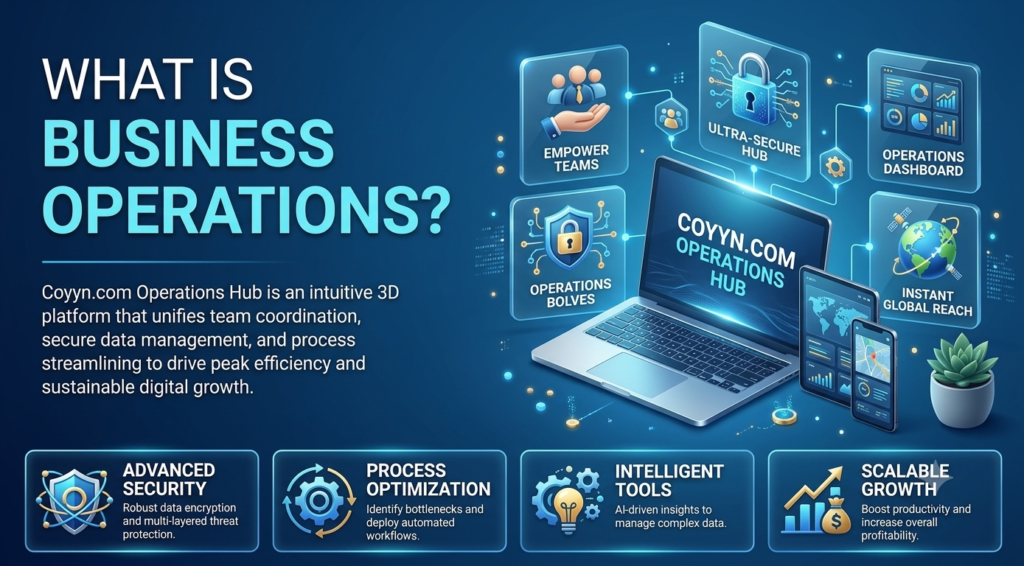
Hearing big financial phrases on the evening news can easily make company management sound much more complicated than it actually is. If you want to know what is business operations are exactly, think of it as the complete engine that keeps a company running every single morning. This term covers all the daily operations and small business activities that workers perform to make products, find clients, and handle cash safely.
Having a clean organizational structure is highly important because it prevents your shop from losing money on silly manual mistakes. For example, a local bakery needs a set system to buy fresh flour, bake bread on time, and collect cash from hungry buyers. If any part of that chain breaks down, the bakery cannot open its doors or serve its neighborhood.
The Main Functions of Business Operations in Every Organization
Every healthy company relies on a few core departments that work together like teammates to hit specific sales goals. Dividing your duties into clear paths ensures that your overall staff members can handle their daily targets without repeating tasks.
- The supply chain network buys raw ingredients and ships physical items to your inventory rooms safely
- Dedicated customer service teams talk to your buyers and solve their complaints using friendly text web chats
- Human resources departments interview new job seekers and teach workers how to use company safety tools
- Finance experts monitor your incoming credit sales and download your digital bank statements every single week
- Inventory management systems track your remaining stock counts so you never run out of popular items completely
Organizing these specific areas protects your independent venture from running into unexpected logistical bottlenecks. It helps small startups maintain a pristine professional reputation among their regular local clients from day one.
Understanding Business Operations Management and Its Role
Taking care of an entire office setup requires having a reliable strategy to monitor your staff performance records accurately. The main goal of business operations management is to design smart resource planning rules that reduce your overall waste. Leaders use these guidelines to watch how money moves and discover faster ways to complete everyday assignments.
This active role focuses heavily on continuous process improvement to make your standard workflow as efficient as possible. Managers look at their production charts to see if any old machine is slowing down the factory floor. Fixing these tiny speed bumps cuts down your operational costs and helps your brand stay strong against outside market competitors.
What Does a Business Operations Manager Do
An executive supervisor works as the primary anchor for an entire company workforce to keep everyone moving in the same direction. When a team gets stuck or runs out of supplies, the business operations manager steps in to solve the dilemma right away. This leadership role requires excellent team management skills and a sharp eye for project management details.
The daily responsibilities include tracking performance metrics and coordinating schedules across different company branches. This professional uses your overall business strategy to make big choices about budget lines, software tools, and raw material orders.
Having a trusted guide handle these tasks ensures that your front line workers can complete their duties without getting distracted.
Common Business Operations Solutions for Growing Companies
Using old paper records or messy computer spreadsheets can easily make tracking your daily sales trends an absolute nightmare. Upgrading your workspace to modern business operations solutions connects your company files to smart automated tracking tools instantly.
These network tools handle your boring data entry tasks automatically so you can skip manual accounting math.
- Specialized business software dashboards that show your total net worth on a single visual screen
- Advanced workflow automation tools that send instant shipping updates to your regular online buyers
- Integrated CRM systems that save your customer contact details and support histories in one safe place
- Cloud based ERP platforms that sync your warehouse stock data across multiple tablet devices at once
Transitioning to these advanced web systems protects your commercial assets from unexpected bookkeeping errors. It gives self employed operators the power to run a clean corporate profile with minimum manual administrative effort.
How Small Business Operations Differ From Large Enterprises
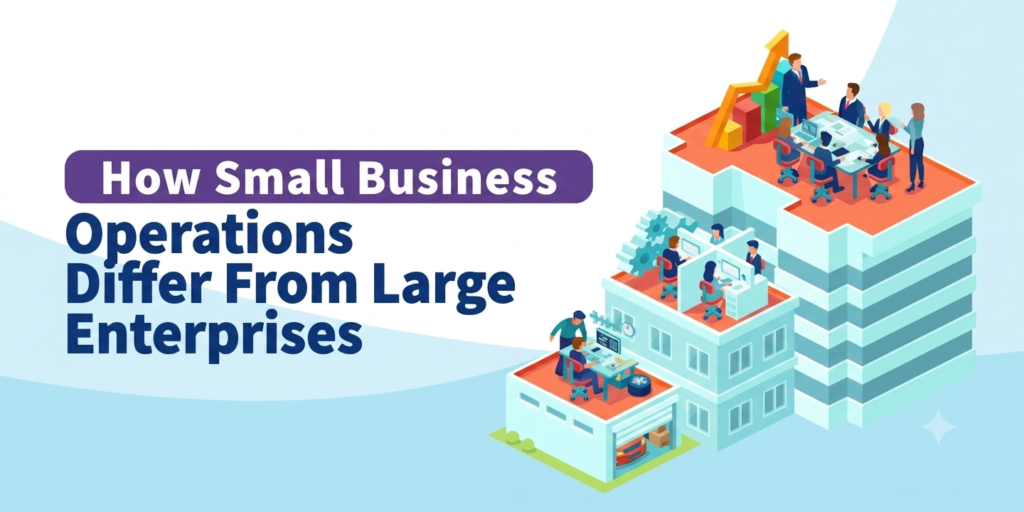
Massive global corporations usually have millions of dollars to spend on expensive software systems and large expert advisory teams. When you look at small business operations, you notice that independent creators must run their shops with limited resources. A local startup founder often wears five different hats at once to handle client billing, packing, and cleaning.
This team size limitation means that small business owners must stay incredibly flexible to protect their cash reserves. They cannot afford to waste capital on heavy platform fees or unnecessary administrative tools during slow work seasons. Focusing on strict resource management helps an independent venture stay stable and prepared for gradual business growth.
Common Challenges That Affect Business Operations
Even the most successful companies can run into annoying logistical hurdles that slow down their daily production speeds. Recognizing these hazards early helps you implement smart risk management steps to shield your wallet from hidden losses.
- Communication gaps between your office staff and warehouse workers that cause incorrect shipping orders
- Poor business planning that forces your store to pay extra rush fees for emergency raw inventory
- Weak inventory control habits that let perishable items expire on your back shelves unnoticed
- Skyrocketing operational costs that eat into your weekly profit margins and reduce your cash reserves
- Long customer service delays that frustrate your regular online buyers and damage your brand reputation
Fixing these common corporate friction points keeps your commercial cash flow running cleanly all year long. It ensures that your small agency stays fully prepared for seasonal shopping drops without losing your primary savings.
Best Practices for Improving Business Operations
Building a lasting brand requires following a few simple organization habits to keep your workflow completely healthy. Top platform experts recommend setting up clear performance metrics so your team members know exactly how to hit their targets. You should review your process logs once a week to ensure your budget stays fully optimized.
Encouraging constant open collaboration among your workers cuts down on frustrating corporate mistakes. You can use automated software tools to handle your daily task distribution and track your project completion dates on your phone.
Staying disciplined with these continuous improvement rules ensures your independent career achieves maximum productivity.
Business Operations Examples From Different Industries
Every specific market sector uses a unique set of systems to serve its clients and generate revenue. For instance, retail operations focus heavily on shelf displays, cash register tracking, and local store safety checks. A large manufacturing plant coordinates massive supply chains, heavy machinery maintenance, and raw iron deliveries.
In the healthcare field, managers prioritize patient scheduling files, clean medicine room logs, and strict regulatory compliance. Modern e-commerce shops rely on automated internet payment networks, digital inventory scanners, and rapid logistics shipping hubs.
Every single one of these distinct setups utilizes custom software utilities to keep its balance sheets perfectly accurate.
Final Thoughts
Organizing your commercial activities through a smart internet platform prepares your company for long-term success by cutting out repetitive administrative work. Utilizing clear business operations frameworks and automated software tools ensures your independent venture stays strong, steady, and fully optimized for the future. Have you ever tried using an automated online platform to help streamline your daily company tasks?
FAQs
What is business operations?
Business operations include all the daily activities, digital tools, and workforce steps required to keep a company running smoothly. It covers everything from making products and serving clients to tracking your weekly income.
What does a business operations manager do?
A manager supervises your entire workforce, tracks performance metrics, and coordinates daily schedules across different departments. They use smart strategies to cut down on operational costs and fix workflow speed bumps right away.
Why is business operations management important?
Managing your systems correctly prevents your business from losing money on manual bookkeeping errors. It improves your overall productivity and ensures that your clients receive their orders on time.
What are business operations solutions?
These solutions are smart software applications that automate your daily tracking tasks. They include visual dashboards, online invoicing tools, and integrated systems that sort your records automatically.
How do small business operations work?
Small operations run with tight budgets and small team sizes, forcing owners to stay highly flexible. They utilize low-cost digital tools to track their cash flows without spending thousands on extra staff.